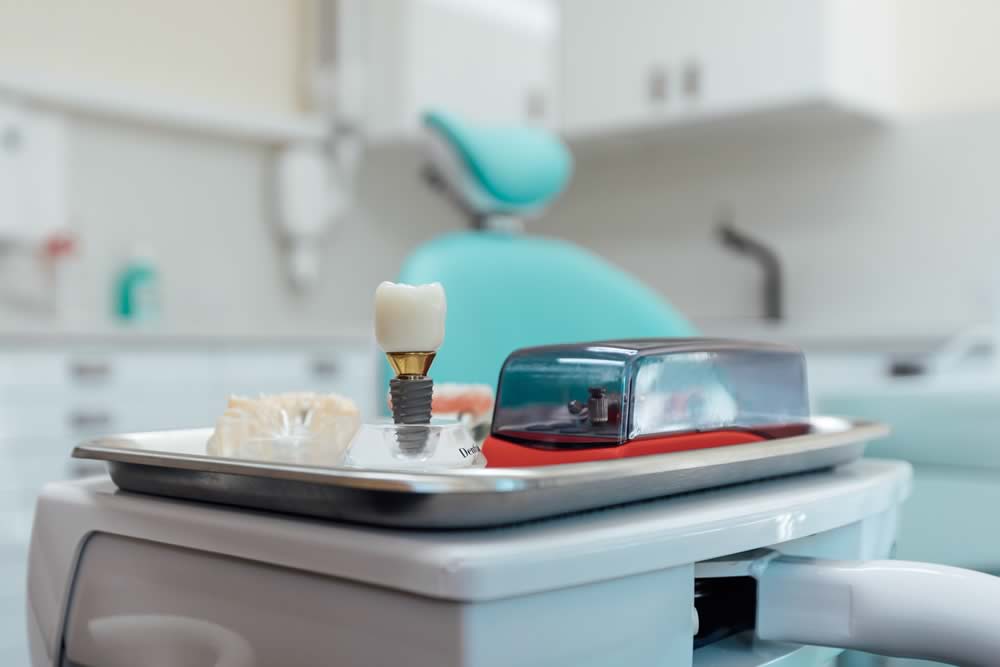
If you have recently had a dental crown fitted, you might be wondering whether you need to look after it any differently from your natural teeth. The simple answer is yes – and no.
A crown itself cannot develop tooth decay, but the tooth underneath it certainly can. In fact, many of the problems we see with older crowns have very little to do with the crown itself. Instead, the problems develop because plaque has built up around the edge where the crown meets the natural tooth.
The good news is that looking after a crown is not especially difficult. A few simple habits will help keep both the crown and the supporting tooth in good condition for many years.
A crown is often recommended when a tooth has been weakened to the point where a filling alone is unlikely to provide enough support. This might happen after a large cavity, following root canal treatment or when a tooth has cracked or become badly worn over time. The crown fits over the prepared tooth rather like a protective cap, restoring its strength, shape and appearance.
The modern dental crowns that we provide at the Rushey Green Dental Practice in Catford are designed to withstand normal chewing forces, but they still benefit from sensible day-to-day care.
One of the most important areas to clean is where the crown meets the gum. This is an area where plaque tends to collect. If it is allowed to remain there, the natural tooth beneath the crown can still become affected by decay, particularly around the margin where the crown joins the tooth.
Brushing twice a day with fluoride toothpaste remains the best way to remove plaque and protect this vulnerable area. There is no need to brush aggressively. Gentle, thorough brushing is usually much more effective.
Many people focus on brushing but overlook the spaces between the teeth. Unfortunately, these are often the areas where plaque and food particles are left behind. Flossing or interdental brushes can help keep these areas clean, reducing the likelihood of decay and gum disease and help to protect the edges of your crown.
If you are unsure which cleaning aids are most suitable, ask our dentist or hygienist and they will be happy to demonstrate the best technique.
Dental crowns are strong, but they are not indestructible. Using your teeth to crack nuts, bite ice cubes or open packaging places unnecessary stress on both the crown and the tooth beneath it. Even natural teeth can fracture under these circumstances.
Most everyday foods present no difficulty at all, but avoiding unnecessary strain will help prolong the life of your restoration.
Some people clench or grind their teeth without even realising they are doing it. This is often known as bruxism and usually happens while we sleep. Over time, this grinding can place considerable pressure on crowns, and your teeth in general.
If our dentist suspects this is happening, they may recommend wearing a custom-made night guard to help protect both your crowns and your natural teeth. It is a simple precaution that can prevent more complicated treatment later.
A crown should feel comfortable once it has settled. If you begin to notice sensitivity, discomfort when biting or the feeling that the crown has become loose, it is worth arranging an appointment to see one of our Catford dentists rather than waiting to see if it improves by itself.
Ignoring problems such as these may allow bacteria to enter underneath the crown, increasing the risk of decay or infection.
Crowns can last for many years, but they should still be checked during routine examinations. Our dentist will look for signs that the crown remains well sealed, examine the health of the surrounding gums and ensure that the supporting tooth remains in good condition. Sometimes an ageing crown may continue to look perfectly acceptable while small changes underneath are only visible during a professional examination.
The fact is that no dentist can guarantee exactly how long a crown will last. Some need replacing after ten years, while others continue performing well for considerably longer. Much depends on the condition of the original tooth, your oral hygiene, your diet and whether habits such as tooth grinding place additional stress on the restoration.
Brushing thoroughly, cleaning between your teeth, attending routine dental examinations and avoiding unnecessary strain on crowned teeth will all help your restoration remain in good health for many years. If you have recently received a crown, or have an older crown that you are concerned about, our dental team will be happy to examine it, answer any questions you may have and help you keep both your crown and the tooth beneath it healthy for as long as possible. To book an appointment with us, please call the Rushey Green Dental Practice on 020 8314 5066.
Design By Dental Media

