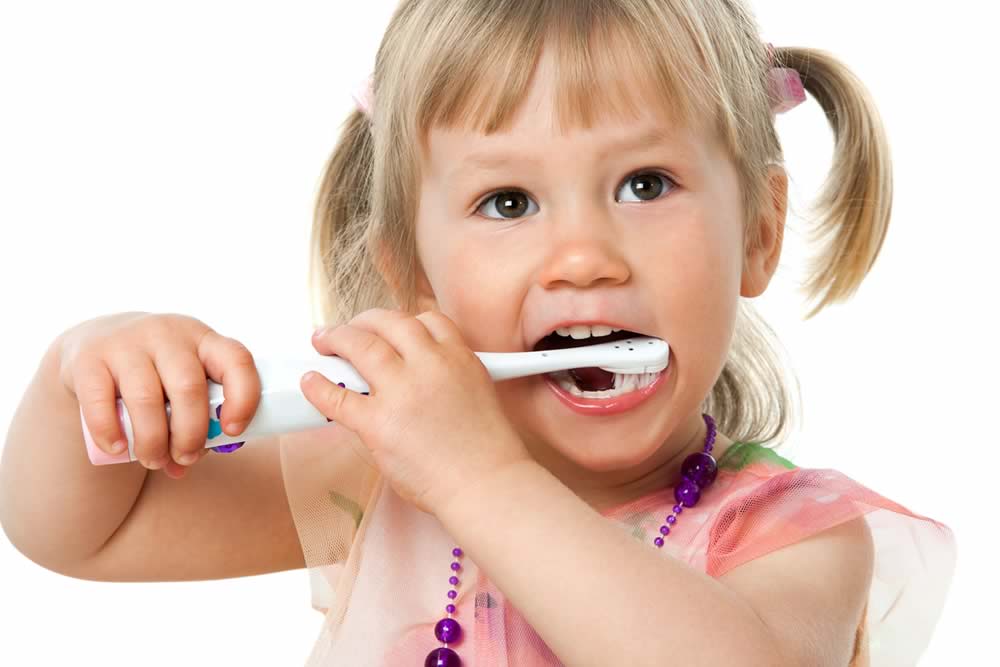
This is one of those questions that comes up quite a lot in our practice. The honest answer is that both manual and electric toothbrushes can work well. It’s less about which one you choose and more about how you use it on a day by day basis
Many of you reading this will have grown up using a manual toothbrush. They are straightforward, cheap, and easy to replace. There’s nothing complicated about it, which is part of the appeal. When used properly, a manual brush can do a perfectly good job. The key is taking your time. So two minutes, twice a day, and making sure you’re not rushing through the areas at the back. Where people tend to go wrong is pressure. It’s quite common to see patients brushing too hard, thinking it will clean better, but in reality that can lead to gum irritation or wearing the enamel over time. A softer brush and a gentle circular motion usually works better than anything aggressive.
Electric toothbrushes have become very popular over the last decade, and for good reason. They do a lot of the work for you. Most modern brushes either oscillate or vibrate at high speed, which helps remove plaque more efficiently than manual brushing alone in many cases. For patients who struggle with technique, such as those with a disability, or who just find it hard to keep up a good routine, an electric brush can make things easier. There’s less guesswork involved. Some even have built-in timers or pressure sensors, which can be surprisingly helpful. You’d be amazed how many people brush for less than the recommended two minutes without realising it.
This is where things get a bit more balanced. Research generally shows that electric toothbrushes can remove a little more plaque than manual ones, especially over the longer term. But that doesn’t automatically mean manual brushes are ‘bad’. A well-used manual toothbrush will usually beat a poorly used electric one. In other words, technique matters more than the tool. We see patients at the Rushey Green Dental Practice with excellent oral health using both types. We also see problems in people using both types. The difference is usually consistency, not the toothbrush itself.
We tend to tailor advice depending on the patient rather than giving a one-size-fits-all answer. For example, if someone has good technique and is happy with a manual brush, there is no urgent need to change, but if someone struggles with dexterity or rushes brushing, an electric toothbrush can help a lot - If gums are bleeding or plaque is building up, switching to electric is often worth trying. It’s rarely about ‘must change’ and more about ‘could this make life easier?’
One of the biggest issues we see isn’t the type of brush, but how hard people are pressing. With manual brushes, people tend to scrub. With electric brushes, people sometimes push too hard, thinking it will improve the result. Either way, the teeth don’t need force. They need time and coverage. If your toothbrush is flattening out quickly, that’s usually a sign you’re being too heavy-handed.
Bleeding gums are another common reason patients ask about switching brushes. In many cases, it’s not the toothbrush causing the bleeding, but plaque sitting around the gumline. That can improve quite quickly once brushing is done more effectively and consistently. Electric brushes can help here because they make it easier to clean along the gumline without relying on scrubbing.
Manual toothbrushes are usually cheaper to buy and replace and that makes them a convenient choice especially if you travel a lot. Electric toothbrushes are more of an upfront cost, but the heads still need replacing every few months anyway. Some patients like having both; a manual brush for travel and an electric one at home and that works perfectly well.
If there’s one takeaway, it’s this, that the brush is less important than the habit. Twice a day is still the standard and fluoride toothpaste still matters. Cleaning between the teeth is still essential, whether that’s floss or interdental brushes. We sometimes see patients invest in an expensive electric brush but still miss the evening brush regularly. In that case, the priority is routine, not equipment.
A bit of personal preference also plays a role and people tend to stick with what they’ll actually use. If you find an electric toothbrush bulky or annoying to charge, you’re less likely to use it properly. If you prefer a manual brush and take your time, that can work just as well. The ‘best’ toothbrush is usually the one you’re happy to use consistently without thinking about it too much.
And so some final thoughts for our patients of our Catford dental practice. There isn’t a strict rule that says you must use one or the other. If you’re brushing well already, there may perhaps be no need to change anything. If you’re struggling with plaque, bleeding gums, or just finding brushing a bit hit-and-miss, an electric toothbrush might make things easier.
Either way, it comes down to doing a thorough job twice a day, every day. The rest is just detail. Advice on brushing your teeth and other oral health care related matters can be discussed during a dental hygienist appointment. If you don’t currently see our hygienist and would like to make an appointment, please call the Rushey Green Dental Practice on 020 8314 5066.
Design By Dental Media

